
The Ultimate Big Five Safari
A Guide to Africa’s Most Iconic Wildlife in Tanzania
For many travelers, a journey to the heart of Africa is driven by one singular goal: to witness the legendary Big Five in their natural habitat. At Beautiful Nature Safaris, we believe that there is no place on Earth that offers a more raw, intimate, and spectacular encounter with these giants than Tanzania.
But what exactly are the Big Five, why is Tanzania the undisputed king of safari destinations, and how can we ensure these magnificent creatures thrive for generations to come? Let’s dive into the wild.
What is the “Big Five”?
The term “Big Five” was originally coined by big-game hunters in the 19th century. It didn’t refer to the size of the animals, but rather to the five most dangerous and difficult African animals to hunt on foot. Today, the term has been reclaimed by the safari industry to celebrate the “must-see” icons of wildlife photography and conservation.
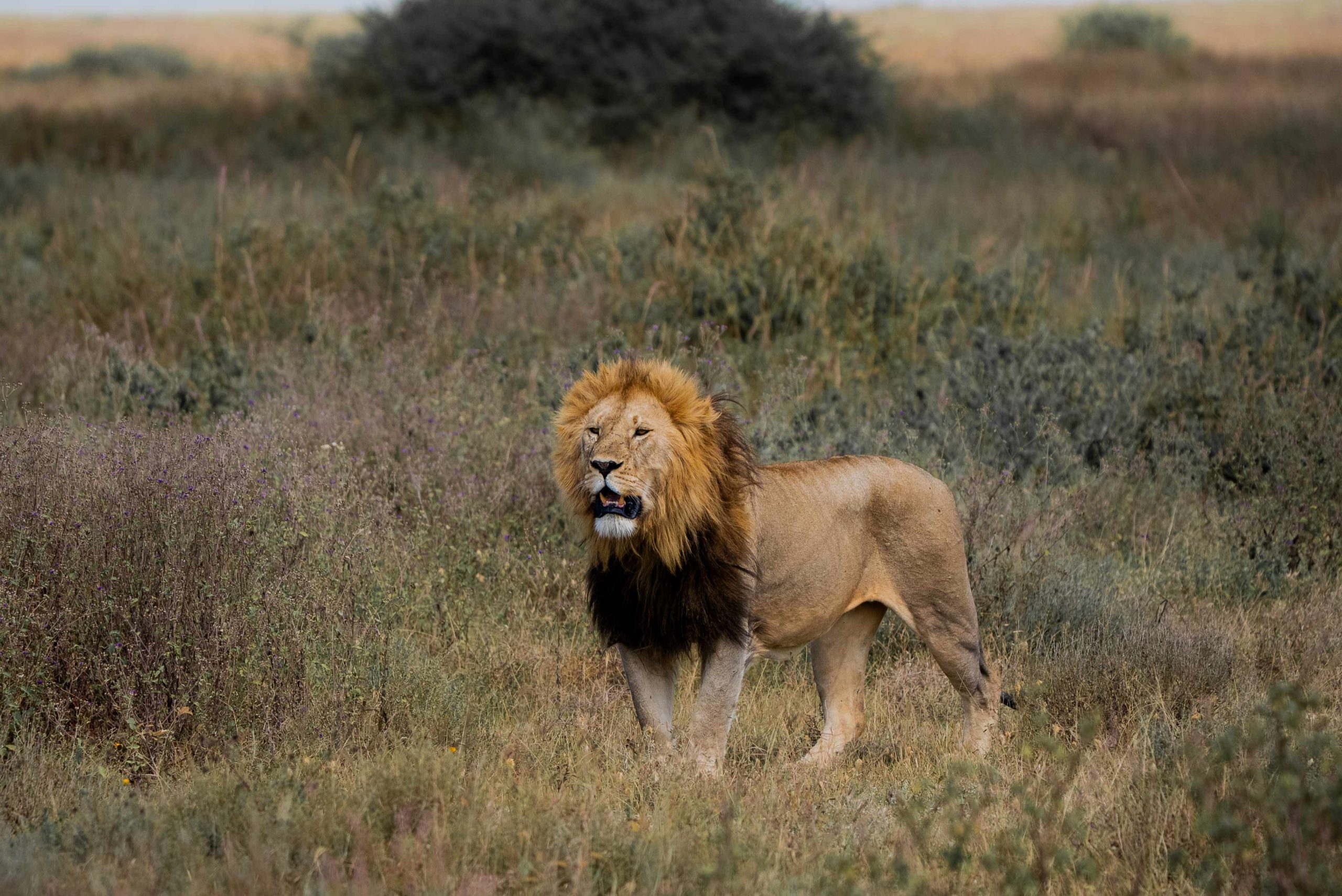
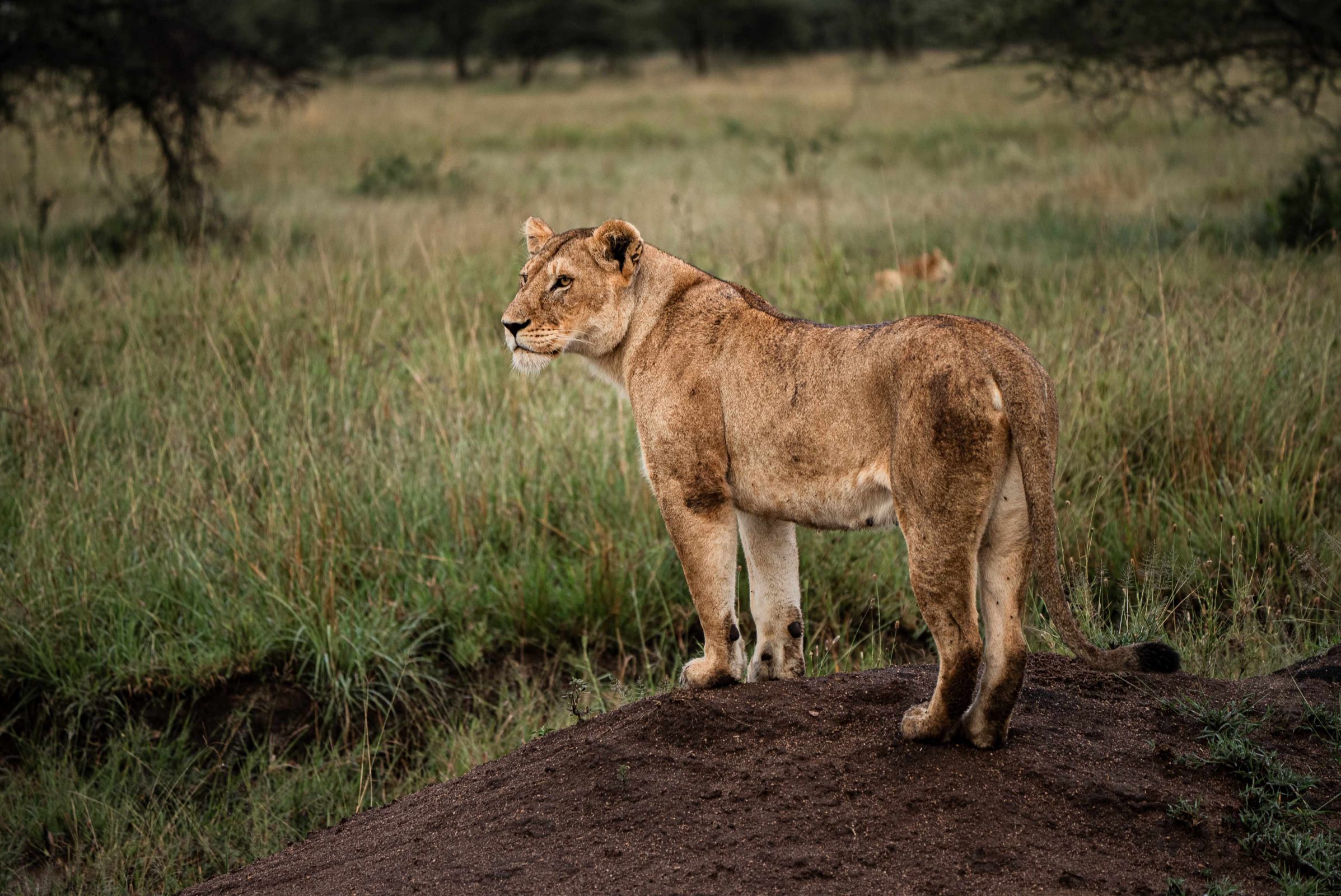
1. The African Lion (The King)
- Why they are iconic: As the only social cats, lions live in prides of up to 40 members. Witnessing a pride’s social bond or a hunt is the pinnacle of any safari.
- Where to find them: Serengeti National Park (home to over 3,000 lions) and the Ngorongoro Crater, which has one of the densest lion populations in the world.
- Unique Highlight: Look for the famous “tree-climbing lions” in Lake Manyara National Park.
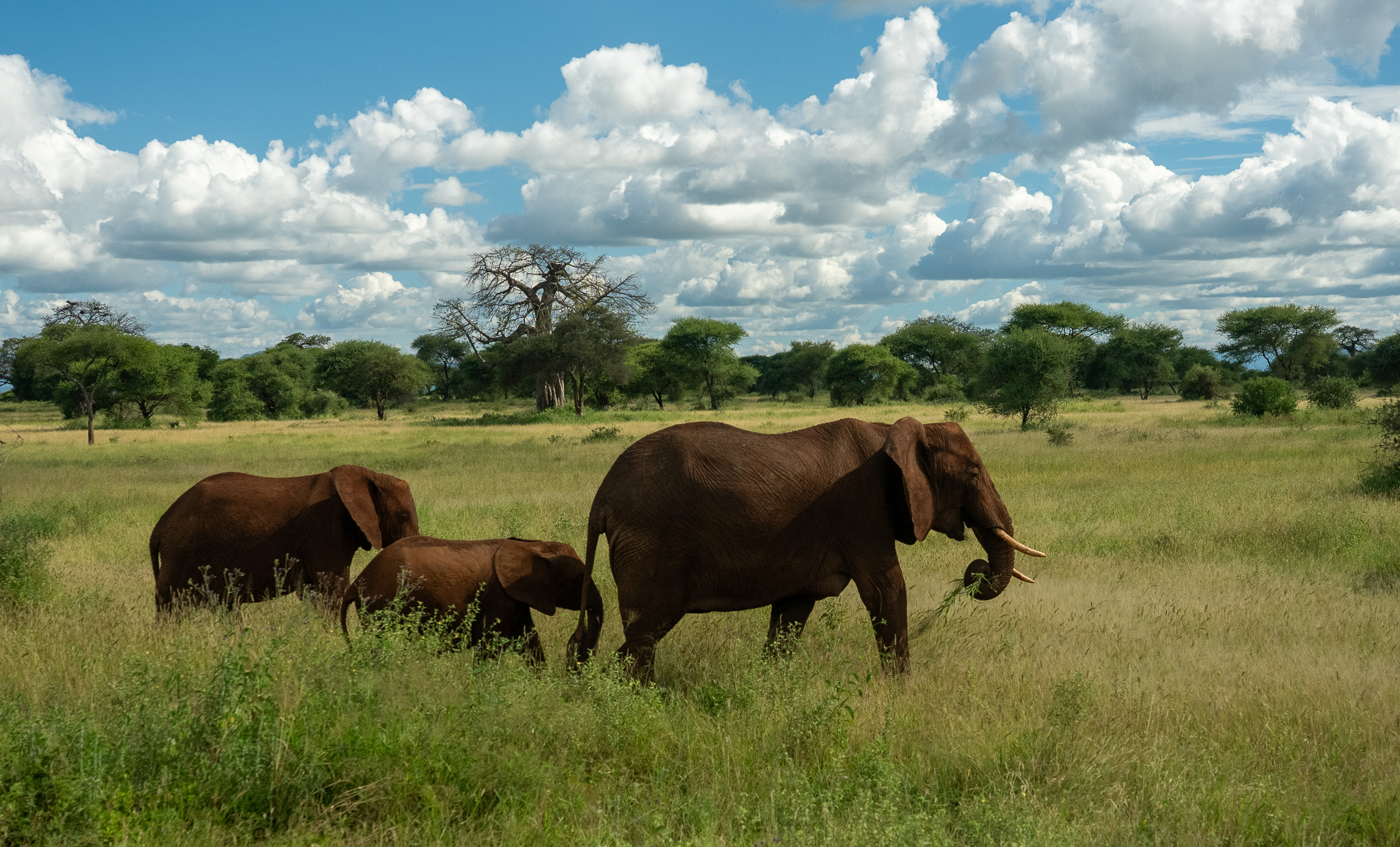
2. The African Elephant (The Gentle Giant)
Why they are iconic: They are the largest land mammals on Earth. Their intelligence, complex family structures, and sheer size are awe-inspiring.
Where to find them: Tarangire National Park is Tanzania’s “Elephant Headquarters,” where herds of hundreds gather around the Tarangire River.
Unique Highlight: Seeing a massive “Tusker” bull elephant against the backdrop of an ancient Baobab tree.
4. The Leopard (The Silent Shadow)
- Why they are iconic: The most elusive of the Big Five. Solitary and masterfully camouflaged, leopards spend much of their day draped over the branches of Acacia trees.
- Where to find them: The Seronera Valley in the central Serengeti is one of the best places in Africa to spot them.
- Unique Highlight: Catching a glimpse of a leopard hauling its prey high into a tree to keep it away from lions and hyenas.
5. The Rhinoceros (The Rare Gem)
- Unique Highlight: Spotting the prehistoric silhouette of a rhino emerging through the morning mist on the Crater floor.
- Why they are iconic: The Black Rhino is the rarest of the Big Five. Seeing one is a privilege, as they are critically endangered and notoriously shy.
- Where to find them: The Ngorongoro Crater is your best bet for a “Big Five in a day” experience, as it hosts a small, highly protected population. You can also find them in the northern Serengeti.
Why Tanzania is the Best Place for a Big Five Safari
While several African countries host these animals, Tanzania stands apart for three main reasons:
The Northern Circuit: The proximity of the Serengeti, Ngorongoro, Tarangire, and Manyara allows travelers to visit multiple diverse ecosystems in one trip, maximizing the chances of completing the Big Five list.
Density and Concentration: Tanzania holds roughly 20% of Africa’s large mammal biomass. Our parks aren’t just big; they are teeming with life. In the Ngorongoro Crater, the enclosed ecosystem makes it possible to see all five species in a single morning.
Unfenced Wilderness: Unlike many private reserves in other countries, Tanzania’s national parks are unfenced. This allows for natural migrations (like the Great Migration) and a truly authentic “wild” experience.
Conservation: Protecting the Icons
At Beautiful Nature Safaris, we don’t just show you the animals; we support the efforts to keep them safe. Tanzania is at the forefront of wildlife conservation:
- Anti-Poaching: The government uses advanced technology like drones and thermal imaging to monitor rhino and elephant populations.
- Wildlife Corridors: Efforts are ongoing to protect the “corridors” between parks, ensuring animals can migrate safely without human-wildlife conflict.
- Community Involvement: Programs like Wildlife Management Areas (WMAs) ensure that local communities benefit from tourism, turning former poachers into passionate protectors of the land.
Join Beautiful Nature Safaris
Ready to check the Big Five off your bucket list? Our expert guides have spent years tracking these animals and understand their behaviors and habitats. We offer tailor-made itineraries that take you to the heart of the action while prioritizing the well-being of the wildlife.