
Mahale Mountains National Park
Chimpanzee Kingdom on the Lake
Mahale Mountains National Park is arguably Tanzania’s most exclusive and untouched wilderness, a place where time slows down and nature reigns supreme. Located on the eastern shore of Lake Tanganyika, the world’s longest, second-deepest, and least-polluted freshwater lake, Mahale offers a rare combination of chimpanzee tracking and pristine beach relaxation. This is a destination for the dedicated wildlife enthusiast seeking deep immersion, tranquility, and a profound, personal encounter with our closest living relatives in their natural habitat.
The Shoreline Sanctuary
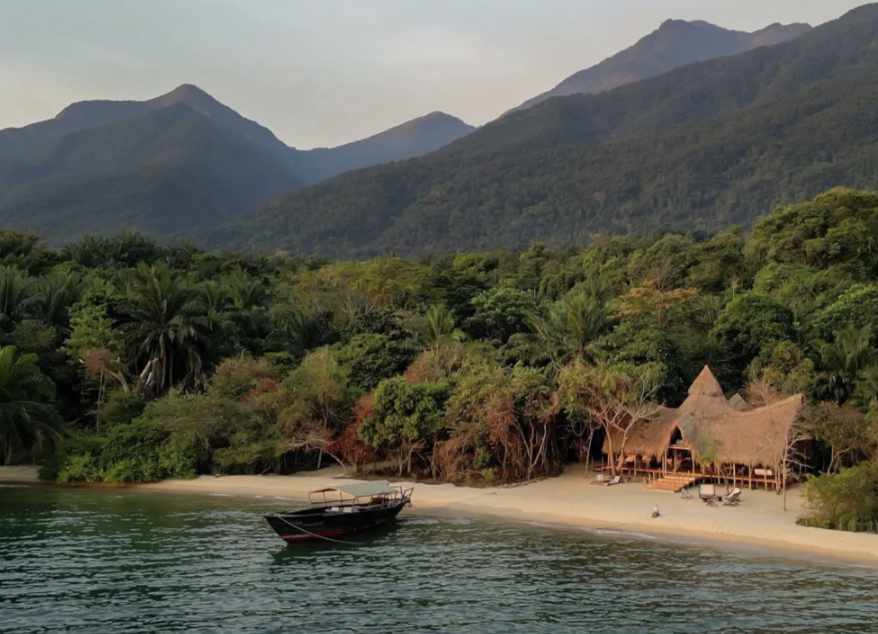
Mahale’s geography is defined by the steep, forested slopes of the Mahale mountain range that plunge directly into the clear waters of Lake Tanganyika. The park has no roads; access is only by boat, and all movement within the park is done on foot. This exclusivity ensures that the park remains truly wild, with the famous Mikimere chimpanzee community thriving in their protected home.
ESTABLISHED
1985
LOCATION
WESTERN
PARK SIZE
1,650 km²
ELEVATION
770 - 2,463 m
Accessibility
Air
Access requires flying from Arusha or Dar es Salaam, typically via a stop in Kigoma.
Boat Cruising
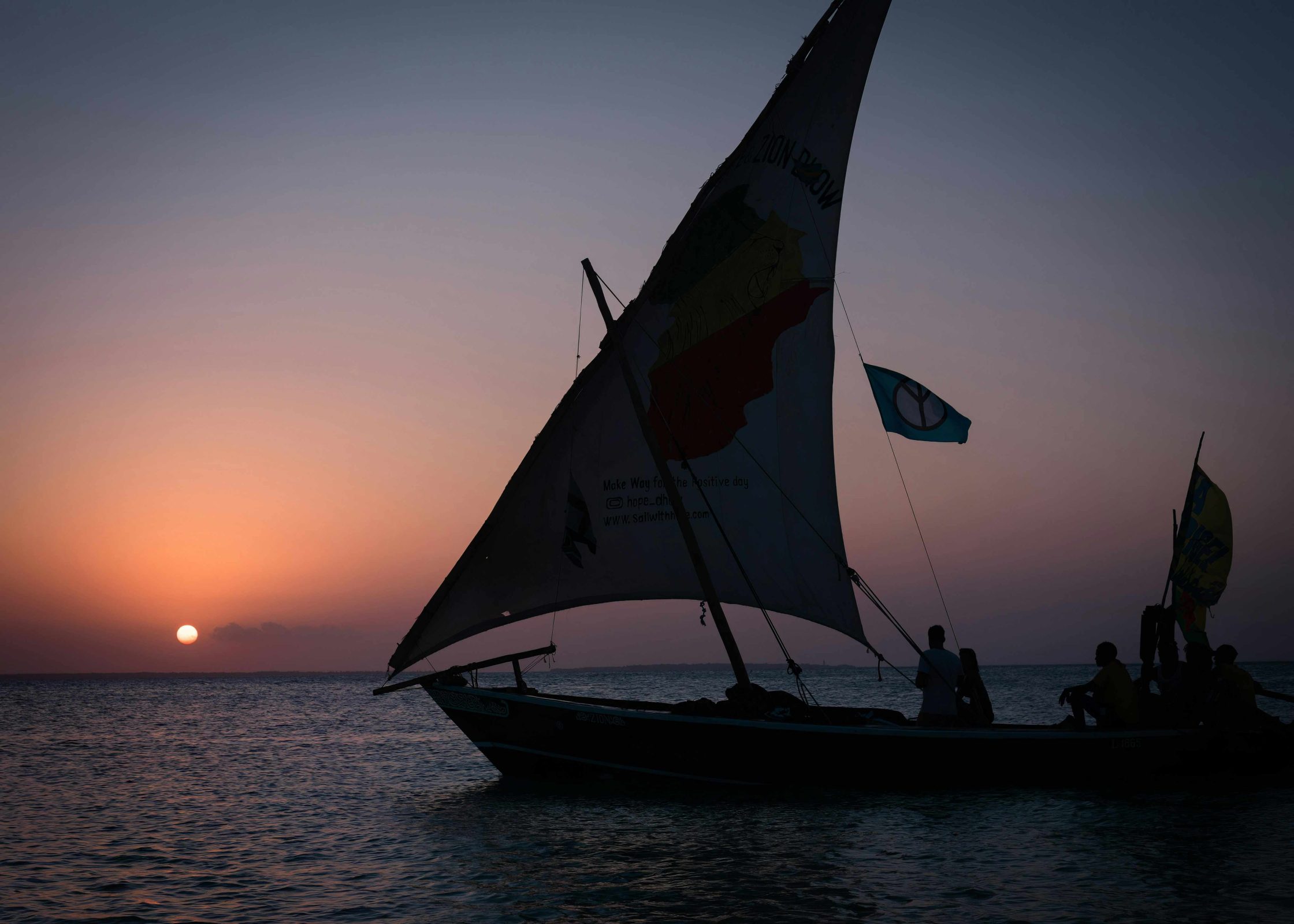
From Kigoma, the final leg involves a scenic transfer, usually via a traditional wooden dhow (boat) or a speed boat, directly to your lodge on the Mahale shoreline.
Mahale Habitats: Different Zones, Different Views
Mahale’s primary draw is the chimpanzee experience, which is influenced by the weather, as the chimps move to find food.
Lakeshore Beaches
Lakeshore Beaches
Miombo Woodland and Montane Forest
Miombo Woodland and Montane Forest
Lake Tanganyika
Lake Tanganyika
Alpine Moorland and Bamboo
Alpine Moorland and Bamboo
Climate and Seasons
Forget complex weather forecasts, when planning the Serengeti, you mainly need to think about rainfall, which directs the Migration and so the predators.
JULY - OCTOBER
Dry Season | Easiest Tracking
Tracking is at its easiest as chimpanzees descend to the lower slopes and northern reaches to feast on wild nutmeg and seasonal fruits. Because the food is concentrated near the lake, treks are typically short and manageable, often lasting only one to two hours.
Experience the
High-octane drama, with the chimps gathered in large groups, you are most likely to witness the thrill of a Red Colobus monkey hunt or intense social interactions.
NOVEMBER - MARCH
Green Season
The chimps occupy the lowlands in December but move into thicker, higher forest by February. Trekking difficulty varies from low to moderate as the group spreads out to forage for leaves and ginger pith.
Experience
The photographer’s dream, the dust is gone, the air is crystal clear, and the lush, vibrant green canopy provides a stunning, high-contrast backdrop for capturing the chimps.
APRIL - JUNE
Long rain season
This is the most demanding period as chimpanzees retreat to the high eastern reaches for wild coffee and figs. Expect long, strenuous hikes on steep, slippery trails.
Experience
This is an intimate and raw encounter for the true adventurer; the forest is at its most primal, and finding the chimps in this rugged terrain feels like a deeply rewarding, once-in-a-lifetime achievement.
Signature Mahale Wildlife
You’re here to see the stars of the show! The Serengeti supports an immense population of wildlife, virtually guaranteeing world-class viewing.
Chimpanzees
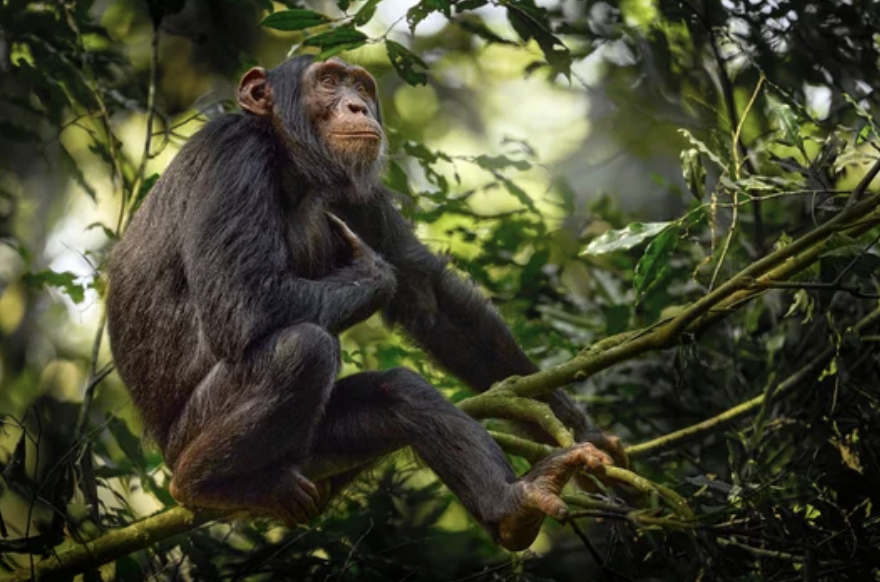
The undisputed star. You will be tracking the Mikimere Group—a large, habituated community of around individuals. Daily permits are strictly limited to ensure minimal impact.
390+ Birds Species
Over 390 bird species, with numerous forest and lake-based specials.
Primates
Besides chimpanzees, the park is home to nine other primate species, including red colobus monkeys and blue monkeys.
Aquatic Life
The waters of Lake Tanganyika are pristine and biodiverse, offering fantastic opportunities to see colorful endemic fish.
Elevate Your Mahale Trip
Tarangire’s remote location allows for activities not permitted in core National Parks like the Serengeti:
Chimpanzee Tracking
Hike into the forest with expert rangers and chimpanzee specialists. You will gain unique insights as they identify individual chimps and interpret their complex social behaviors for an intimate, thrilling, and humbling experience.
Lake Tanganyika Activities
Enjoying the lake is a key part of the Mahale safari. Activities include swimming in the pristine waters, snorkeling, canoeing, and sunset dhow cruises.
Guided Forest Walks
Outside of chimpanzee tracking, take guided walks to explore the waterfalls and smaller flora and fauna of the montane forest.
Beach Relaxation
Unwind on the white-sand beaches, enjoying the solitude and the unique sensation of a freshwater “beach holiday.”
Where to Stay: Your Mahale Home
Accommodation is highly exclusive, designed for low volume and maximum immersion, focusing on traditional luxury and sustainability.
Exclusive Tented Camps
Only a handful of camps exist within the park boundaries, offering rustic elegance. These are intimate, private, and usually feature open-sided dining areas and tents overlooking the lake.
Remote Lodges
The few established lodges offer top-tier service, gourmet meals, and private access to the beach and tracking routes. Note: Given the difficulty of trekking and heavy rains, some operators may close their Mahale camps during April and May.
Why Go to Mahale?
Mahale offers a safari experience that is a world away from the dust and drama of the plains. It is a dual adventure: deep forest primate tracking combined with the tranquility of a freshwater beach holiday. If your goal is a deeply spiritual and intimate encounter with chimps in a spectacularly remote setting, Mahale is unsurpassed.
Starts your Tarangire adventure here!
Related Destinations
Arusha National Park
The ‘Diamond in the Shadows, home to Mt. Meru and the rare black-and-white colobus monkey.
Zanzibar Island
The historic Spice Island, defined by the old Stone Town and turquoise Indian Ocean reefs.
Gombe Stream National Park
The world-renowned site of Jane Goodall’s chimpanzee research.