Ngorongoro Conservasion Area
The Eighth Wonder of the World
Ngorongoro Conservation Area (NCA), is a true natural marvel often described as the Eighth Wonder of the World. This unique UNESCO World Heritage Site is defined by its stunning volcanic landscapes, unparalleled wildlife density, and the ancient human history found within its boundaries. Unlike a national park, the Ngorongoro is a Multiple Land Use Area where conservation of wildlife is balanced with the traditional livelihoods of the indigenous Maasai people, creating a truly unique safari experience.
The Crater and the Great Rift Valley
Located southeast of the Serengeti along the Great Rift Valley, the NCA’s dramatic volcanic landscape was forged by ancient geological shifts. It is a Dual UNESCO World Heritage Site, honored for both its natural splendor and its cultural depth.
Most visitors arrive by road from Arusha or via flights from the Serengeti, beginning their experience with iconic views from the misty crater rim.
ESTABLISHED
1959
GLOBAL STATUS
UNESCO Site
PARK SIZE
8,292 km²
ELEVATION
1800 - 3700 m
Accessibility
Air
Charter flights from Arusha Airport (ARK) or Kilimanjaro Internationa Airport (JRO) to Serengeti link a car to Ngorongoro
Road
Scenic drive through the highlands along the cool, misty crater rim offering the first spectacular views into the Crater on a custom 4x4 vehicle
Gateway
Arusha and Kilimanjaro
Wildlife in Concentration: The Self-Contained World
The main attraction is the Ngorongoro Crater, the world’s largest intact and unfilled volcanic caldera. This 3-million-year-old collapsed volcano creates a self-sustaining ecosystem within its 600-meter-high walls.
A World in a Bowl
A World in a Bowl
The Soda Lake and Flamingos
The Soda Lake and Flamingos
Home to endangered Black Rhino
Home to endangered Black Rhino
Wildlife concentration
Wildlife Concentration
Climate and Seasons
Forget complex weather forecasts, when planning for Ngorongoro, focus on the rainfall. It dictates the movement of wildlife across the crater floor and the lushness of the highland forests.
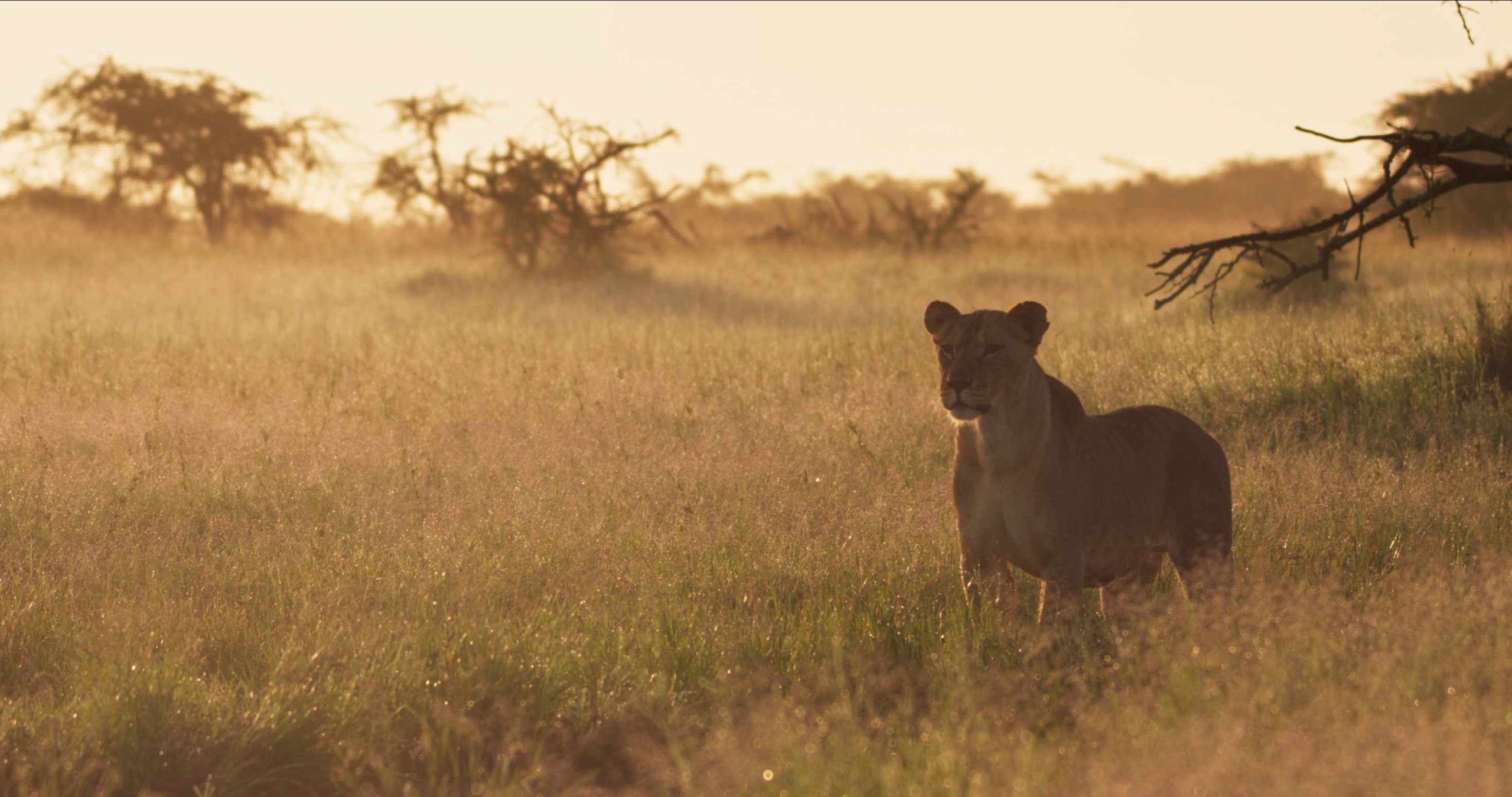
HIGH SEASON : JUNE - OCTOBER
Dry season
The weather is coolest with minimal rain nights on the rim can be quite chilly. As the grass thins and yellow patches appear, wildlife becomes incredibly easy to spot against the shorter vegetation.
Experience the Golden Highlands
Animals congregate around the permanent springs on the crater floor, offering guaranteed, high-density predator sightings and iconic golden landscapes.
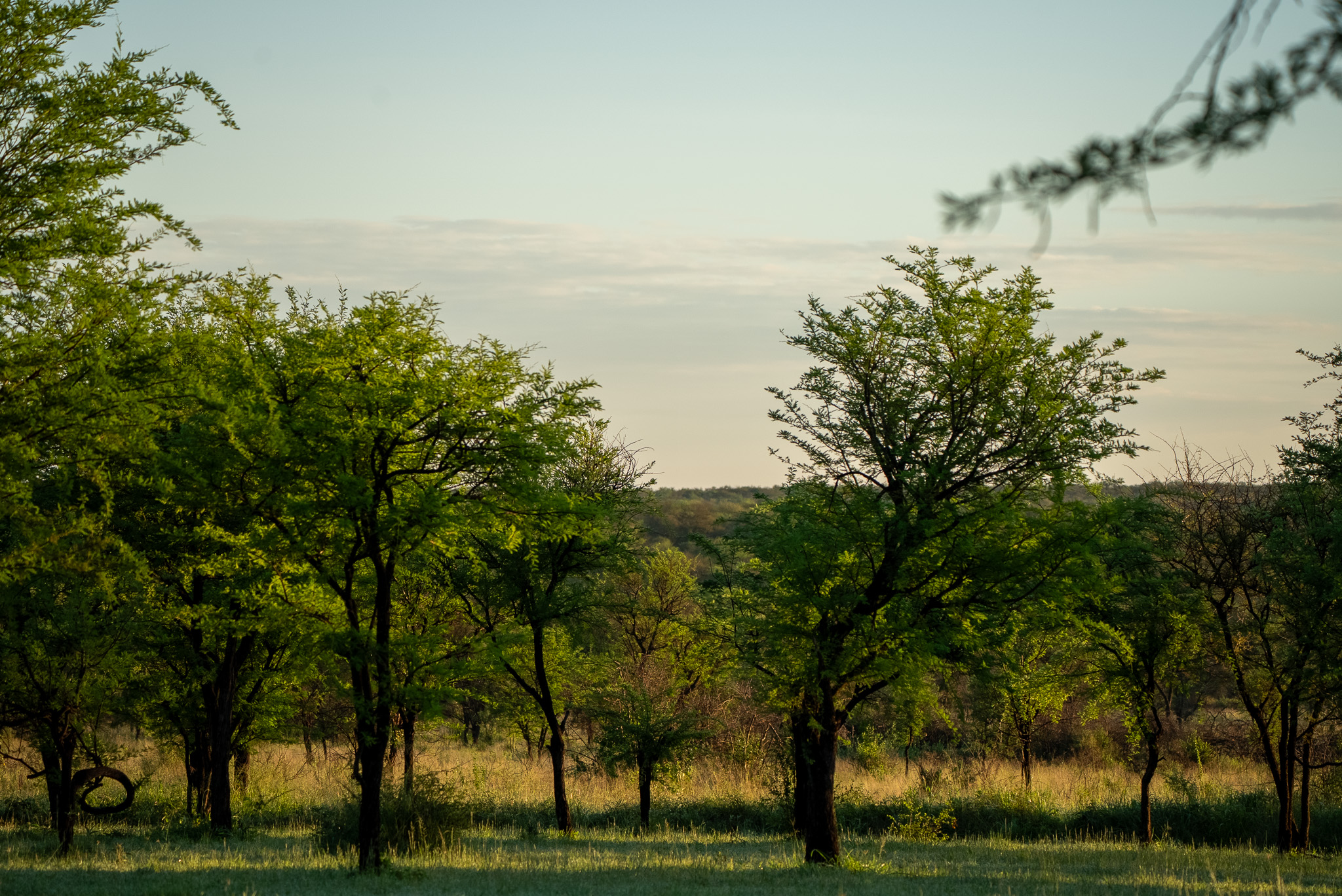
LOW SEASON : MARCH - MAY
Long Rain Season
The heaviest rains transform the NCA into a vibrant green sanctuary. While rim roads can become misty and slick, the crater floor becomes a lush paradise. This is the quietest and most intimate time to visit.
Experience the Emerald Crater
Prime time for the “Great Calving” on the nearby Ndutu plains, vibrant wildflowers, and the most competitive lodge rates of the year.
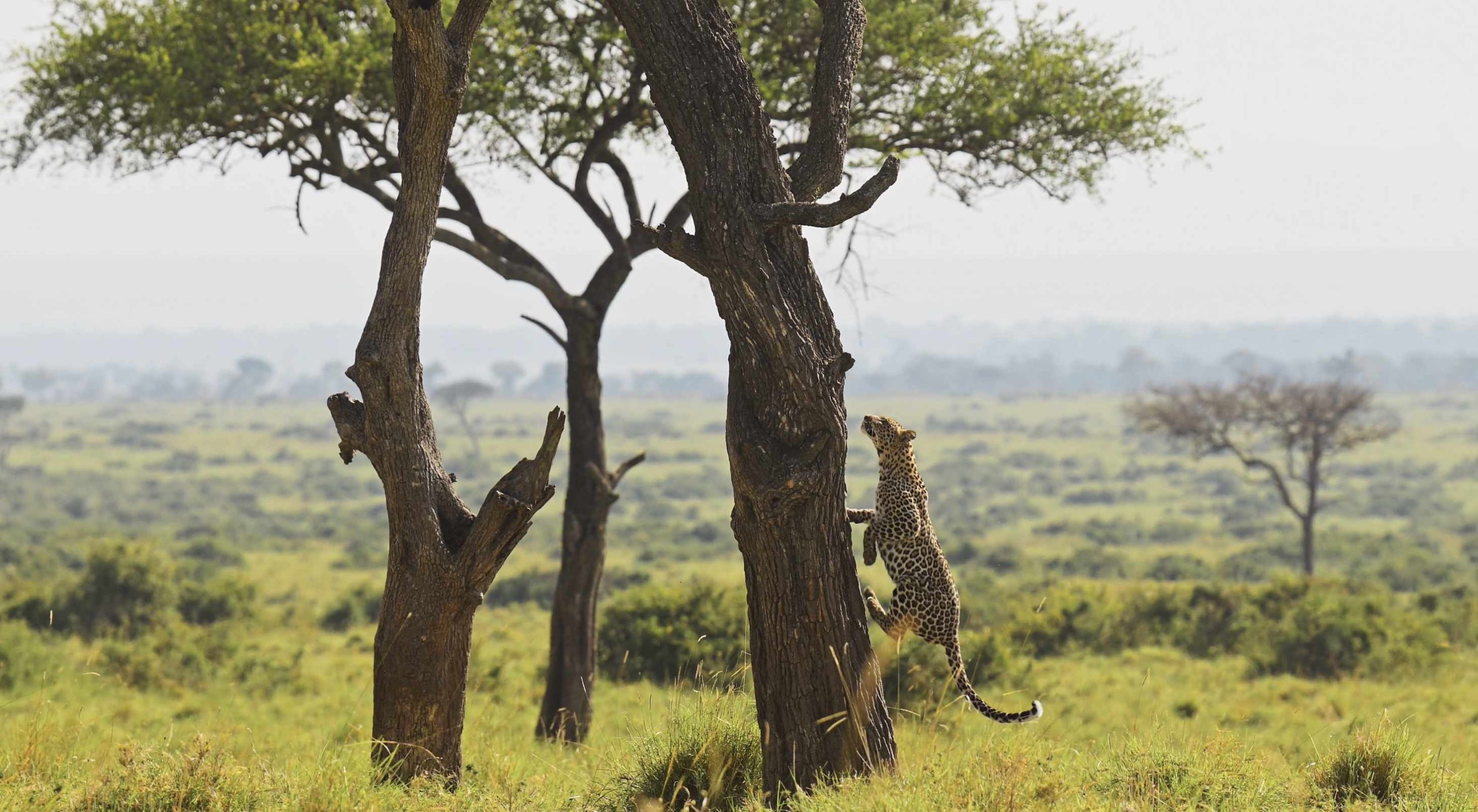
HIGH SEASON: NOV - DEC
Short Rain Season
Short, passing showers refresh the highlands and settle the dust on the crater floor. These localized afternoon storms leave the air exceptionally clear, offering the sharpest views of the caldera from the rim.
Experience the Stormy Bloom
Brilliant lighting for photography, fewer crowds than the dry season, and the return of migratory bird species.
Wildlife in The Self-Contained World
A World in a Bowl
The crater floor, spanning about 260 square kilometers, is a rich mosaic of habitats: short-grass plains, freshwater springs, and the shallow, alkaline Lake Magadi (the soda lake).
Year-Round Density
With permanent water and mineral-rich grazing, over 25,000 animals remain in the crater year-round. It is arguably Tanzania’s best location to spot the Big Five in a single day.
A Natural Rhino Sanctuary
The crater hosts a stable population of about 50 critically endangered Black Rhinos. This is one of the last wild populations in East Africa, thriving within the caldera’s unique and secure ecosystem.
The Soda Lake and Flamingos
Lake Magadi changes size seasonally, and its mineral-rich waters attract thousands of beautiful Pink Flamingos, creating a breathtaking pink band across the crater floor.
Elevate Your Trip
The Ngorongoro Conservation Area offers profound experiences that extend far beyond a typical game drive, connecting you to the very origins of humanity and African culture.
The Cradle of Mankind
Located within Ngorongoro Conservation Area is Olduvai Gorge, one of the most important paleoanthropological sites in the world. Here, the famous Leakey family made groundbreaking discoveries, including early hominid fossils, that traced human lineage back millions of years, fundamentally reshaping our understanding of human evolution.
The Maasai Coexistence
The unique legal status allows the semi-nomadic Maasai people to live and graze their livestock across the highlands, maintaining a delicate, traditional balance with the wild animals. Seeing their vibrant, red-robed pastoralists alongside herds of wildebeest is a powerful cultural highlight.
Exploring the Crater Highlands
Beyond the main Ngorongoro Crater, the surrounding highland mountains offer exclusive experiences. The stunning Empakaai Crater is a hidden gem known for its deep alkaline lake and incredible solitude. Here, you can embark on rare guided walking safaris down its steep, forested slopes, offering an unforgettable perspective and phenomenal birdwatching.
Where to Stay in the Ngorongoro
Accommodation is strategically placed to maximize either the spectacular views or accessibility to other parts of the Northern Circuit.
Crater Rim Lodges
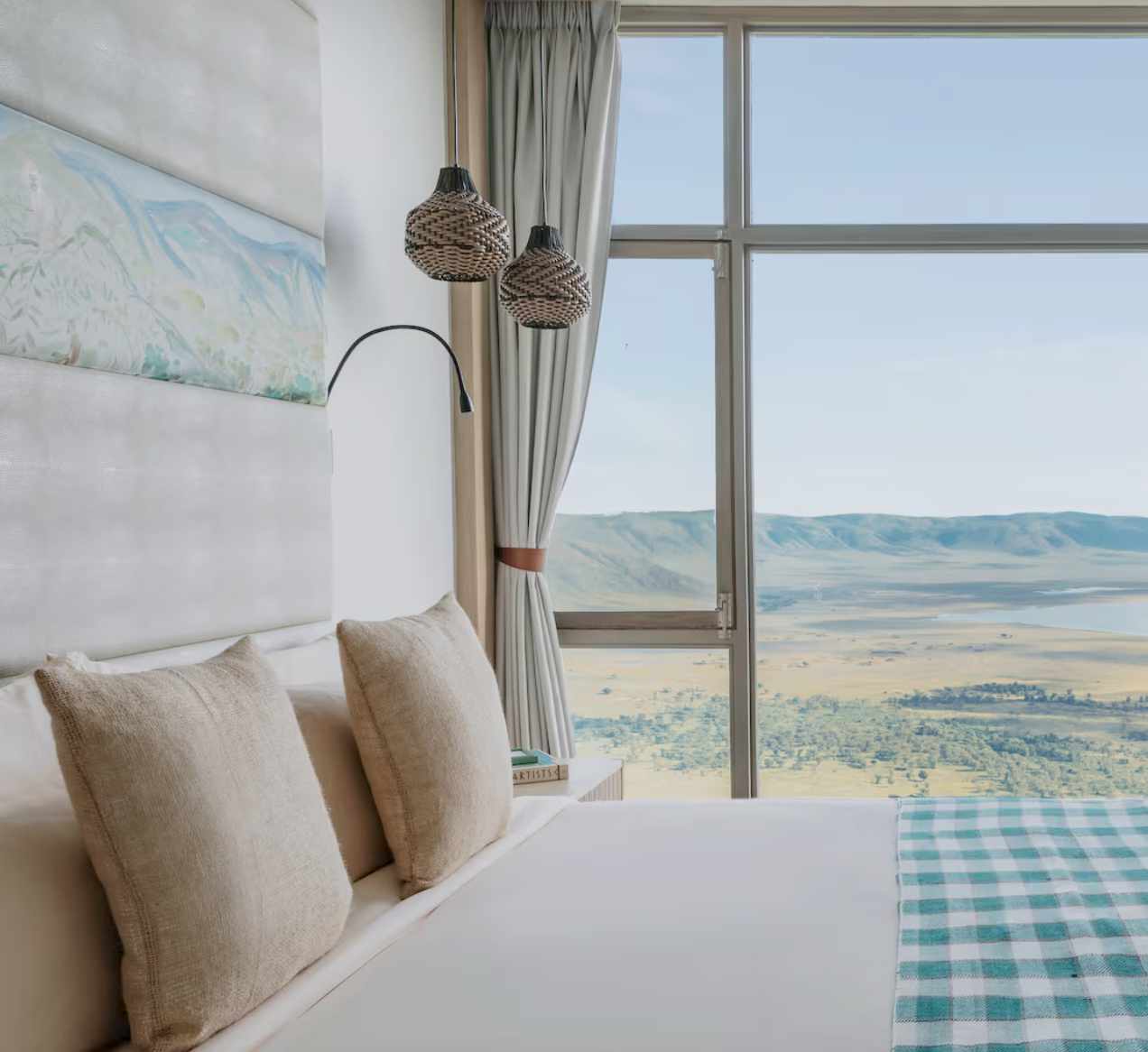
These are highly prized, permanent luxury lodges located directly on the crater’s edge. They offer breathtaking, panoramic views down into the caldera, ensuring convenient access for the essential early morning descent.
Karatu Area Lodges
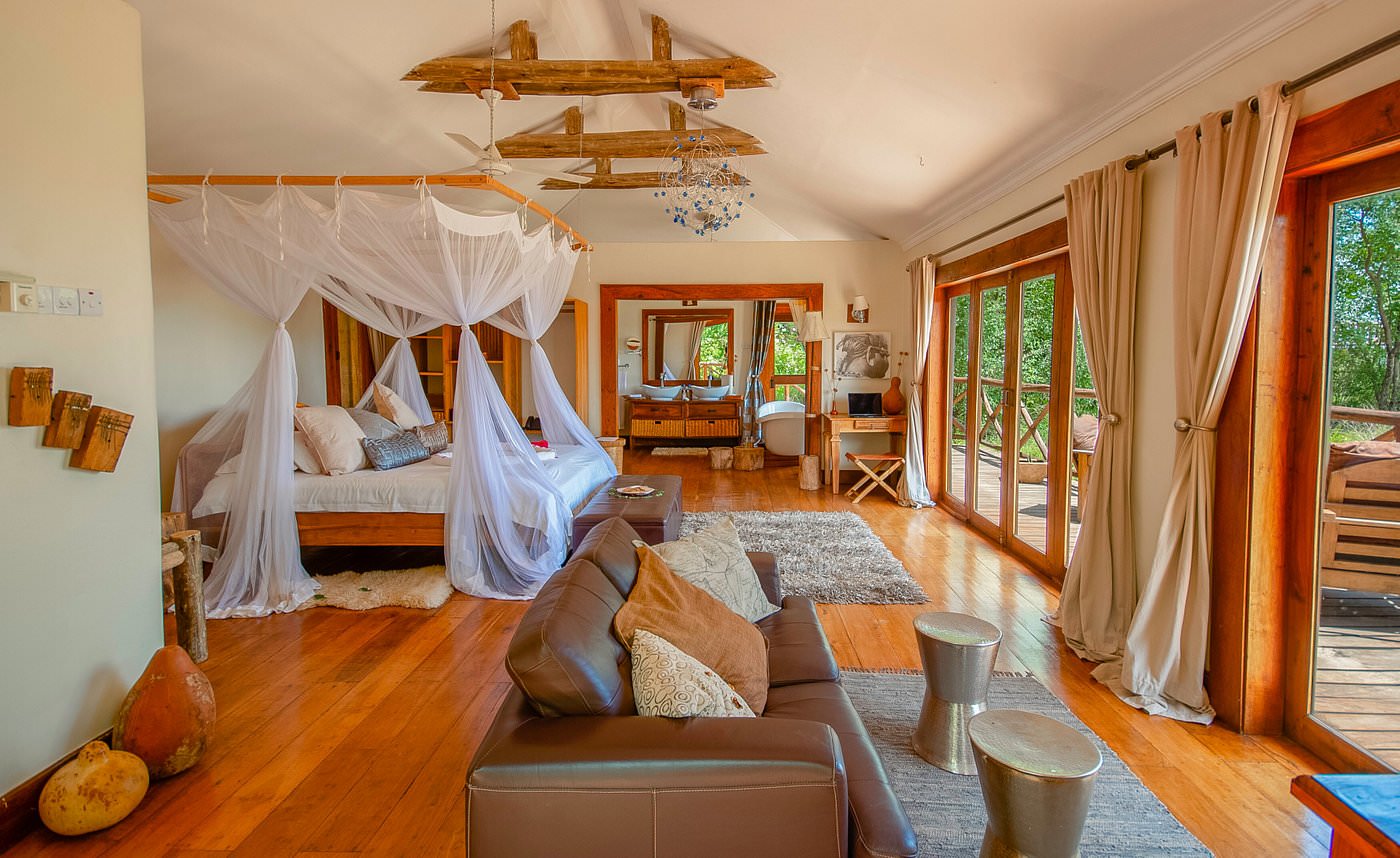
Situated just outside the NCA gates, these lodges are often set in beautiful coffee plantations. They provide a more affordable and often larger option while still offering excellent access to the crater and the surrounding highlands.
The Ngorongoro on the World Stage
Dual UNESCO Status
It is one of the very few sites in the world recognized for both its natural and cultural heritage, underscoring its dual importance to the planet.
A Geological Marvel
The sheer size and structural integrity of the Ngorongoro Crater, the largest intact caldera on Earth, make it an incomparable natural wonder
A Model of Conservation
The Ngorongoro Conservation Area pioneered the concept of a "Conservation Area," proving that it is possible to balance the absolute protection of a critical ecosystem with the traditional, sustainable needs of its indigenous human inhabitants.
Why Go to Ngorongoro?
Ngorongoro is the perfect, essential companion to the Serengeti. While the Serengeti is about scale and movement, Ngorongoro is about concentration, intimacy, and profound history.
Guaranteed Wildlife
Your best chance to see the entire Big Five, including the Black Rhino, in one place.
Deep History
The chance to connect with both the ancient archaeological history of mankind and the timeless culture of the Maasai.
The Landscape & the View
Being at the rift valley form unique landscape and the views from the crater rim are some of the most famous and spectacular in all of Africa.
Flexible Timing
With the Migration being a year-round event, there is always an incredible wildlife story playing out, no matter when you decide to travel.
Starts your Ngorongoro adventure here!
Related Destinations
Serengeti National
Park
A sanctuary of diverse ecosystems and the Great Migration
Lake Manyara National Park
Home of the tree-climbing lions and pink-hued flamingo shores.
Lushoto and Usambara Mountains
A lush biodiversity hotspot of ‘champagne air,’ ancient forests, and dramatic viewpoints.