
Lushoto and the Usambara Mountains
The Green Retreat of Tanzania
Lushoto is the primary town nestled high in the West Usambara Mountains, a hidden gem that offers an entirely different Tanzanian experience. The Usambara range is part of the Eastern Arc Mountains, often called the “Galapagos of Africa” due to its status as one of the world’s most critical biodiversity hotspots. In stark contrast to the vast, arid plains of the Serengeti, Lushoto offers a cool, temperate, and misty environment, perfect for hiking, cycling, birdwatching, and deep cultural immersion with the local Sambaa people. This region is an essential stop for travelers seeking tranquility, natural beauty, and a break from the traditional safari or beach itinerary.
The Eastern Arc's Jewel
Lushoto’s unique beauty is defined by its dramatic, fertile geography. The landscape consists of steep mountain slopes covered in lush greenery, plunging into deep valleys carved out by rivers. This high-altitude environment is divided between pristine native forest and extensive farming areas.
- The Landscape: The terrain is exceptionally varied. The mountains are characterized by fertile soil, making the valleys home to market gardens and spice farms. The high ridges offer breathtaking views, particularly at famous sites like Irente.
- The People: The local population is predominantly the Shambaa (or Sambaa) people, who have traditionally been agriculturalists and live in villages scattered across the slopes. They are renowned for their intricate knowledge of the environment and their welcoming approach to visitors through community-based tourism initiatives.
LOCATION
NORTHEAST
PART OF
EASTERN ARC MOUNTAINS
RICH
HISTORY
ALTITUDE
300 - 2100 M
Accessibility &
Accessibility &
Road
Lushoto is highly accessible by road. The primary route involves driving to the town of Mombo on the main highway connecting Arusha/Moshi and Dar es Salaam. From Mombo, you take a scenic, winding 32km paved road that climbs steeply into the Usambara Mountains, reaching Lushoto in about 45–60 minutes. Travel time from Arusha/Moshi is approximately 5–6 hours, and from Dar es Salaam, it is approximately 6–7 hours.
Air
There are no scheduled commercial flights directly into Lushoto. While a small airstrip (Lushoto Airstrip/LUY) exists, it is primarily used for private charters or light aircraft and is not served by domestic carriers
You Should Know
Defining Features
Biodiversity, Afromontane forest, cool climate, and extensive views.
Unique Distinction
Renowned for its endemic plant and animal species and its extensive network of walking and mountain biking trails.
History: Lushoto's German Colonial Legacy
Lushoto holds a significant place in Tanzanian history, primarily due to its time as a major administrative and leisure center during the German colonial period (German East Africa).
- The Name: Lushoto was originally established by the Germans in the late century and named Wilhelmsthal (Wilhelm’s Valley). The cool climate and fertile ground made it an ideal retreat from the heat of the coast and a prime location for agricultural experiments and colonial administration.
- Historical Sites: Many buildings, including some of the old guesthouses and administrative centers in and around Lushoto, are remnants of this era, displaying distinct German colonial architectural styles. You can still see old stone structures, churches, and former rest stops.
- Learning the History: Guided historical tours are available, providing insights into the region’s past, including visits to the old German quarters, World War I sites, and learning about the transition of power through local narratives.
Lushoto Seasonal Guide: When to Go & What to Do
The Usambara Mountains experience a temperate climate, making them a year-round destination, but the experience shifts dramatically with the rains.
JUNE - OCTOBER
Dry Season
THE WEATHER
NOVEMBER - DECEMBER
SHORT RAINS
The “Second Spring.” The landscape turns a brilliant, electric green almost overnight. It is the best time to see the Usambara-violet and other endemic wildflowers in bloom.
THE WEATHER
Brief, afternoon showers followed by sunshine. The dust disappears, and the temperature is mild.
THE EXPERIENCE
Birdwatching and Photography. The forest begins to “wake up” with the moisture, and migratory birds start to arrive in the Magamba Forest.
JANUARY - FEBRUARY
Hot Dry Season : Crystal Visibility
The Great Escape. This is the perfect time to visit if you want to escape the intense heat of a traditional safari or the coastal humidity.
THE WEATHER
The warmest months in the mountains. While the coast swelters, Lushoto remains a refreshing and comfortable retreat.
THE EXPERIENCE
Cultural & Farming Tours. It is harvest time for many temperate fruits and crops. Visiting the local Shambaa markets is especially vibrant during these months.
MARCH - MAY
Long Rains (Monsoon)
The Cloud Forest Experience. The mountains are shrouded in “living mist,” creating a hauntingly beautiful, prehistoric atmosphere in the native Afromontane forests.
THE WATHER
Heavy, persistent rainfall and thick mountain mists. Trails can become very slippery and muddy.
THE EXPERIENCE
Waterfall Chasing & Forest Immersion. For those who don’t mind getting wet, the waterfalls (like Kisasa or Soni) are at their most thunderous and impressive.
Climate and Seasons
Forget complex weather forecasts, when planning the Serengeti, you mainly need to think about rainfall, which directs the Migration and so the predators.
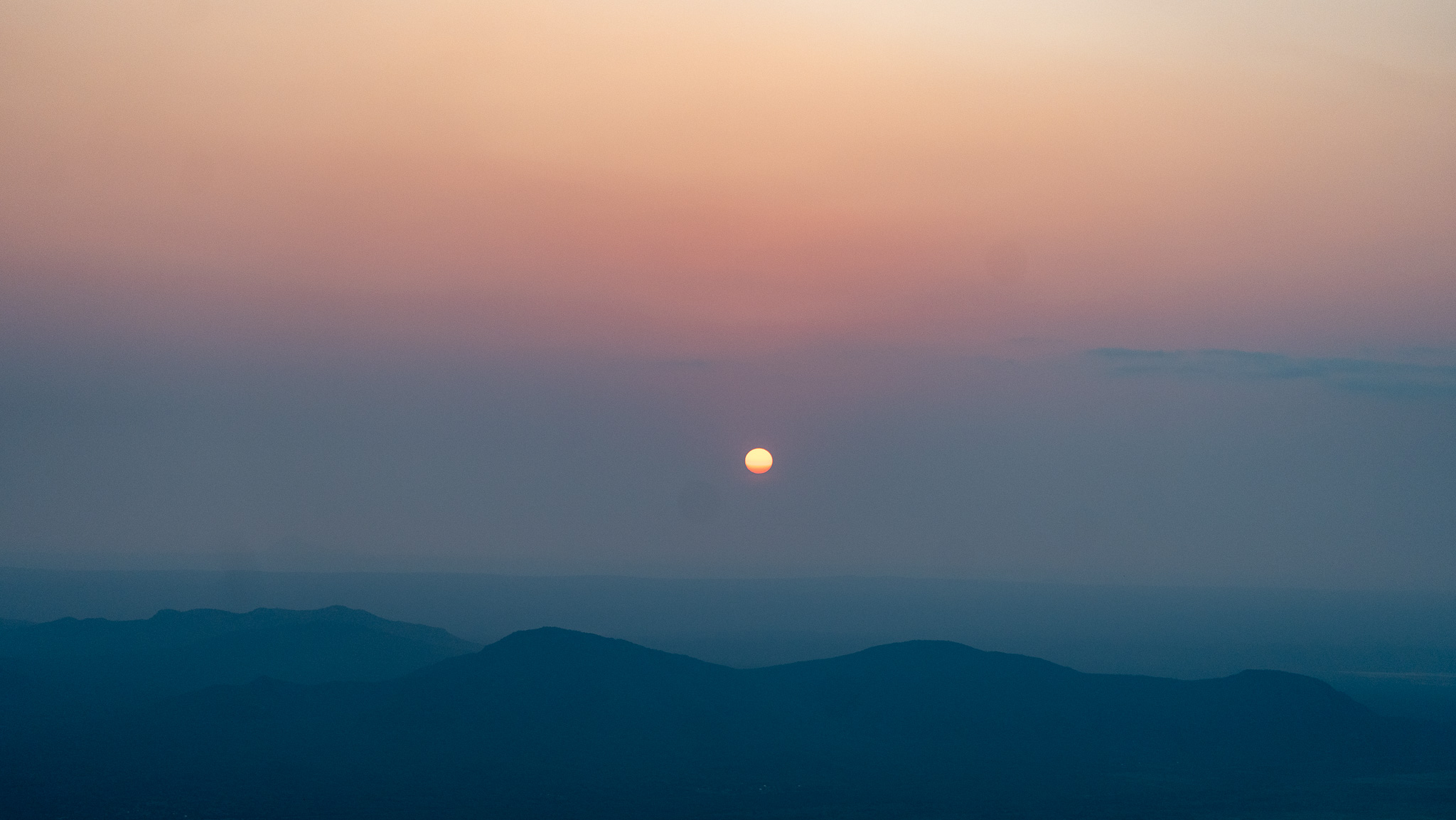
HIGH SEASON : JUNE - OCTOBER
Dry season
Infinite Horizons, This season offers the clearest visibility at Irente Viewpoint. You can see the Maasai Steppe stretching for a hundred miles without the interference of haze or mist.
WEATHER
Cool, crisp, and bright. This is the “winter” of the highlands, with chilly nights and clear, sunny days.
EXPERIENCE
Long-distance trekking and mountain biking. The trails are dry and firm, making it the best time for the multi-day hike from Lushoto to Mtae.
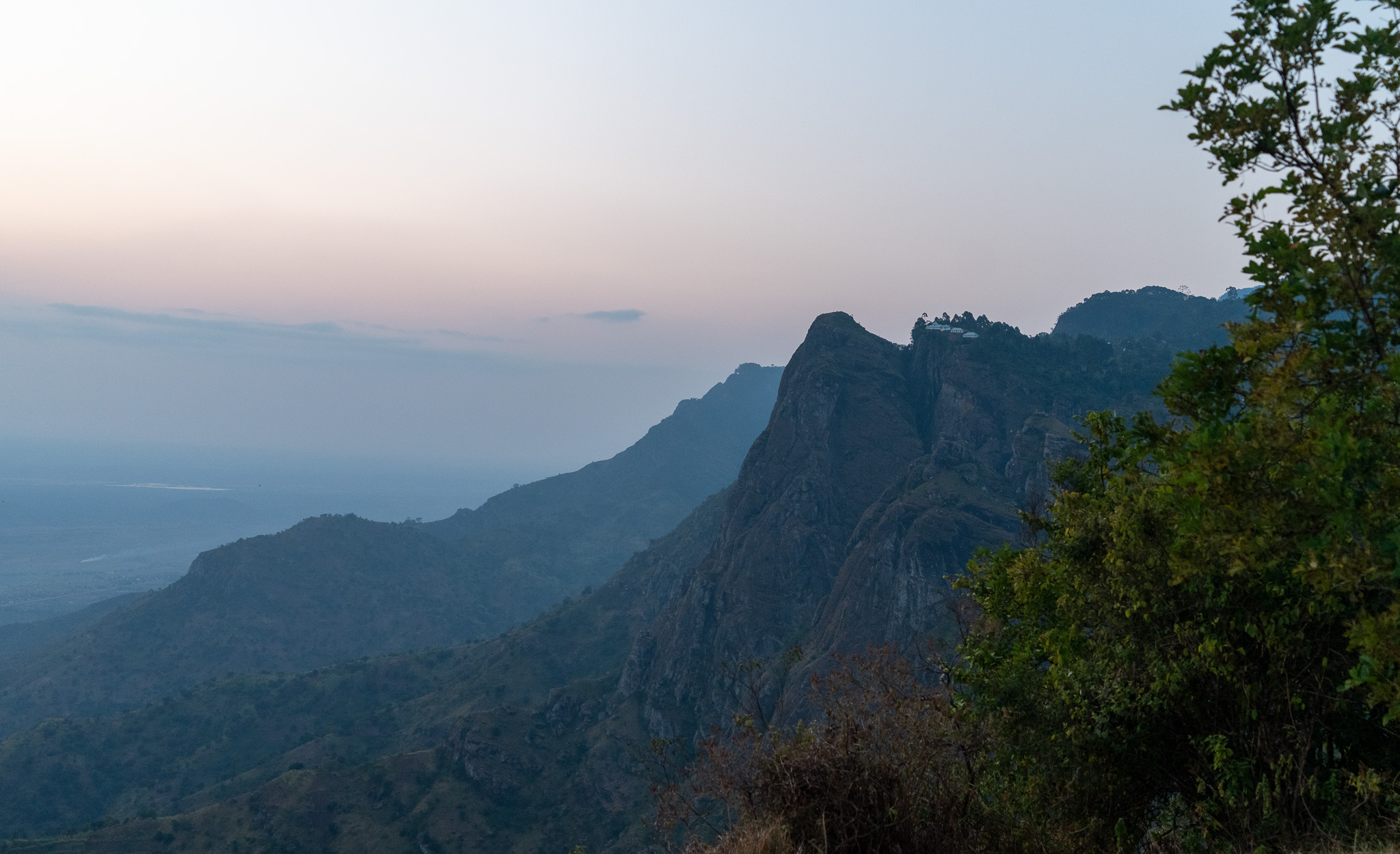
HIGH SEASON : JUNE - OCTOBER
Dry season
Infinite Horizons, This season offers the clearest visibility at Irente Viewpoint. You can see the Maasai Steppe stretching for a hundred miles without the interference of haze or mist.
WEATHER
Cool, crisp, and bright. This is the “winter” of the highlands, with chilly nights and clear, sunny days.
EXPERIENCE
Long-distance trekking and mountain biking. The trails are dry and firm, making it the best time for the multi-day hike from Lushoto to Mtae.
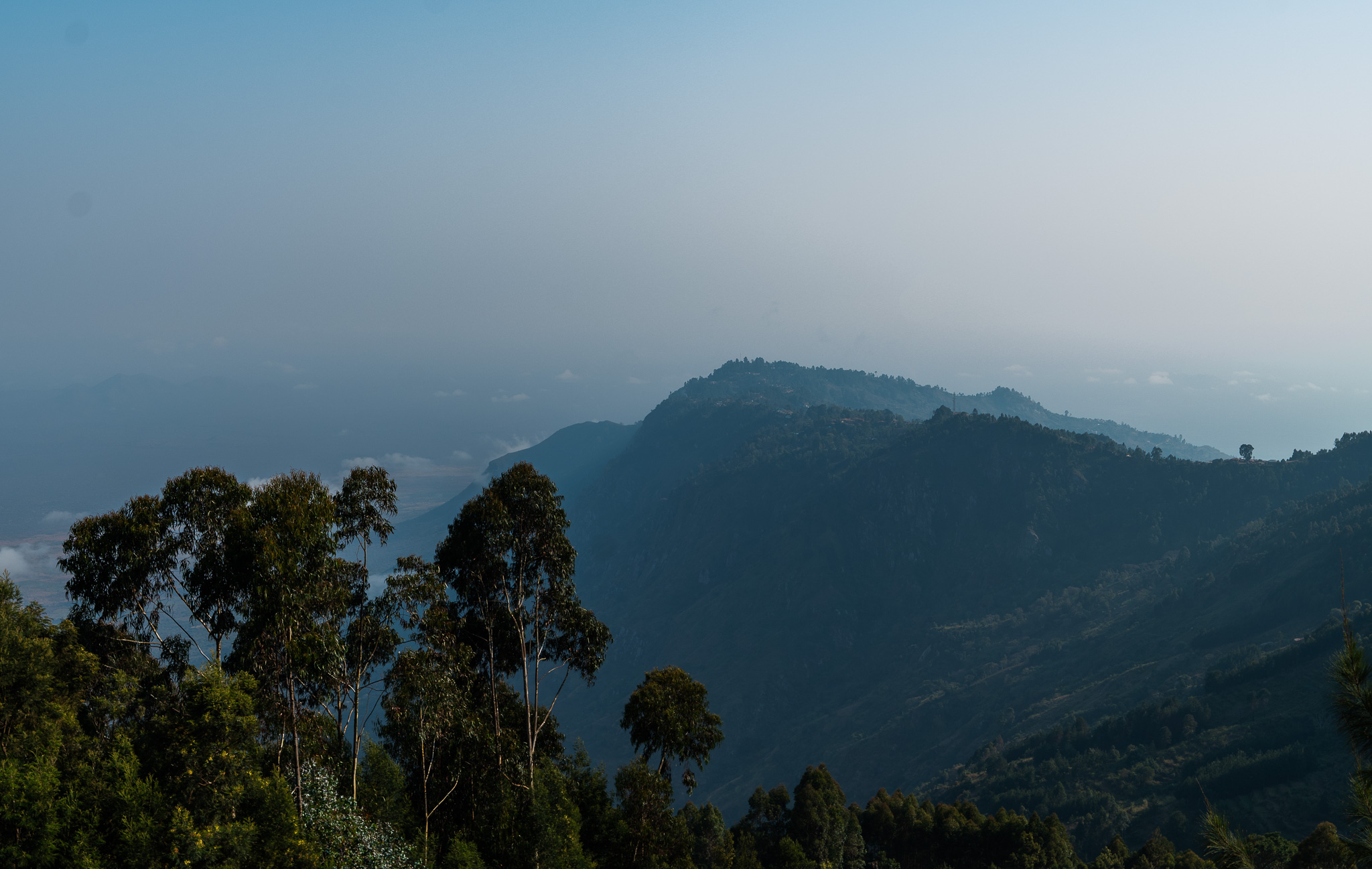
LOW SEASON : MARCH - MAY
Long rain season
The heaviest rains turn the Serengeti into a lush paradise. While some roads become challenging, the abundance of life is unmatched. This is the quietest time in the park.
Experience the Green Sanctuary
The Great Calving (starting Feb-Mar). Prime time for predator-prey drama, vibrant flowers, and the best lodge rates of the year.
Signature Lushoto Experiences: Forest and Trails
Lushoto is defined by its active, immersive experiences that connect visitors directly with the natural and cultural environment.
The Unique Biking and Forest Experience
The Usambara Mountains offer a globally unique mountain biking experience due to the cool, temperate weather, the spectacular views, and the varied terrain that moves between two distinct forest types:
Native Forest (Nature Forest)
This is the Afromontane rainforest found in protected areas like Magamba Forest. It is characterized by dense canopy, high humidity, unique fungi, and endemic life (like the rare Usambara-violet). Trails here are rugged, misty, and truly wild, perfect for challenging hikes and exploring biodiversity.
Forest Plantations
Scattered across the slopes are managed plantations, primarily of fast-growing exotic trees like Pine and Eucalyptus. These plantations provide timber and contribute significantly to the local economy. Trails running through these neat, regimented forests offer easier cycling paths and different types of shade and scenery.
Hiking Trails
The extensive network of well-marked trails allows for multi-day trekking, often connecting viewpoints and remote villages, providing endless opportunities for active exploration.
Cultural & Panoramic Vistas
The region combines stunning scenery with deep cultural opportunities among the Shambaa people.
Irente Viewpoint
The most famous stop, where the mountain drops steeply away, offering a breathtaking panoramic view of the vast Maasai Steppe stretching out hundreds of meters below.
Shambaa Cultural Tourism
Local guides offer walks through villages, where you can learn about Shambaa traditions, sustainable farming techniques, and visit local markets. This experience is a fantastic way to support community initiatives.
Spice & Farming Tours:
While Zanzibar is the 'Spice Island,' Lushoto grows different crops. Local tours focus on temperate agriculture like tea, coffee, and fruit farming, showcasing the specialized methods used on the mountain slopes.
Submarine & Underwater Viewing
For a truly unique, dry experience, certain operators offer submarine or semi-submersible tours near Stone Town, allowing you to view the coral reefs and marine life without getting wet.
Where to Stay: Your Usambara Home
Accommodation in Lushoto is typically small, charming, and focused on the historical and natural atmosphere, catering to hikers and culture enthusiasts.
Historic Hotels
Colonial-era hotels offer a comfortable, traditional stay, often with stunning views and beautiful gardens.
Eco-Lodges
Remote lodges on the mountain slopes provide tranquility, direct trail access, and an excellent environment for intense birdwatching.
Local Guesthouses
Simple, affordable, and authentic guesthouses provide a chance to connect more closely with the local community in the heart of the town.
Why Go to Lushoto?
Lushoto and the Usambara Mountains are the ideal destination for the traveler seeking active adventure, rich history, and profound cultural connection in a refreshingly cool climate. It offers a vital contrast to the savannahs and beaches, highlighting the sheer diversity of Tanzania's environment and the resilience of the Shambaa people.