
Lake Manyara National Park
The Land of Tree Climbing Lion
Lake Manyara National Park is a narrow, picturesque park nestled between the dramatic cliffs of the Great Rift Valley and the shimmering alkaline waters of the lake itself. It may be small in stature, but it punches far above its weight, offering incredibly diverse habitats that transition rapidly from lush groundwater forest to open woodlands and hot spring wetlands.
This park is famous globally for two things: the striking flocks of flamingos that line the lake’s edge, and the elusive tree-climbing lions that prefer to nap in the branches of acacia and mahogany trees, a behavioral rarity in East Africa.
Where the Rift Valley Meets the Forest
Manyara’s beauty lies in its dramatic geographical location. Its entrance takes you through a dense, tropical-like groundwater forest, which is often shrouded in mist and moisture—a stark contrast to the nearby arid plains. This unique environment ensures high water availability and lush vegetation year-round.
ESTABLISHED
1960
LOCATION
Northern Tanzania
PARK SIZE
325 km²
ELEVATION
960 - 1600 m
Accessibility
Air
Charter flights from Arusha Airport (ARK) or Kilimanjaro Internationa Airport (JRO).
Road
A comfortable -hour drive from Arusha
Options
Primarily accessed by road. There is an airstrip nearby connecting it to the Serengeti and other regional parks
Manyara Habitats: Different Zones, Different Views
Manyara’s wildlife viewing is excellent year-round, thanks to its permanent groundwater source. The experience changes dramatically between the dry and wet seasons, influencing whether you focus on the forest or the lake shore.
Groundwater Forest
Groundwater Forest:
The Alkaline Lake
The Alkaline Lake
Hot Springs
Hot Springs
The Great Rift Valley Escarpment
The Great Rift Valley Escarpment
Climate and Seasons
The park remains green throughout the year, but water levels greatly affect birdlife and animal distribution.
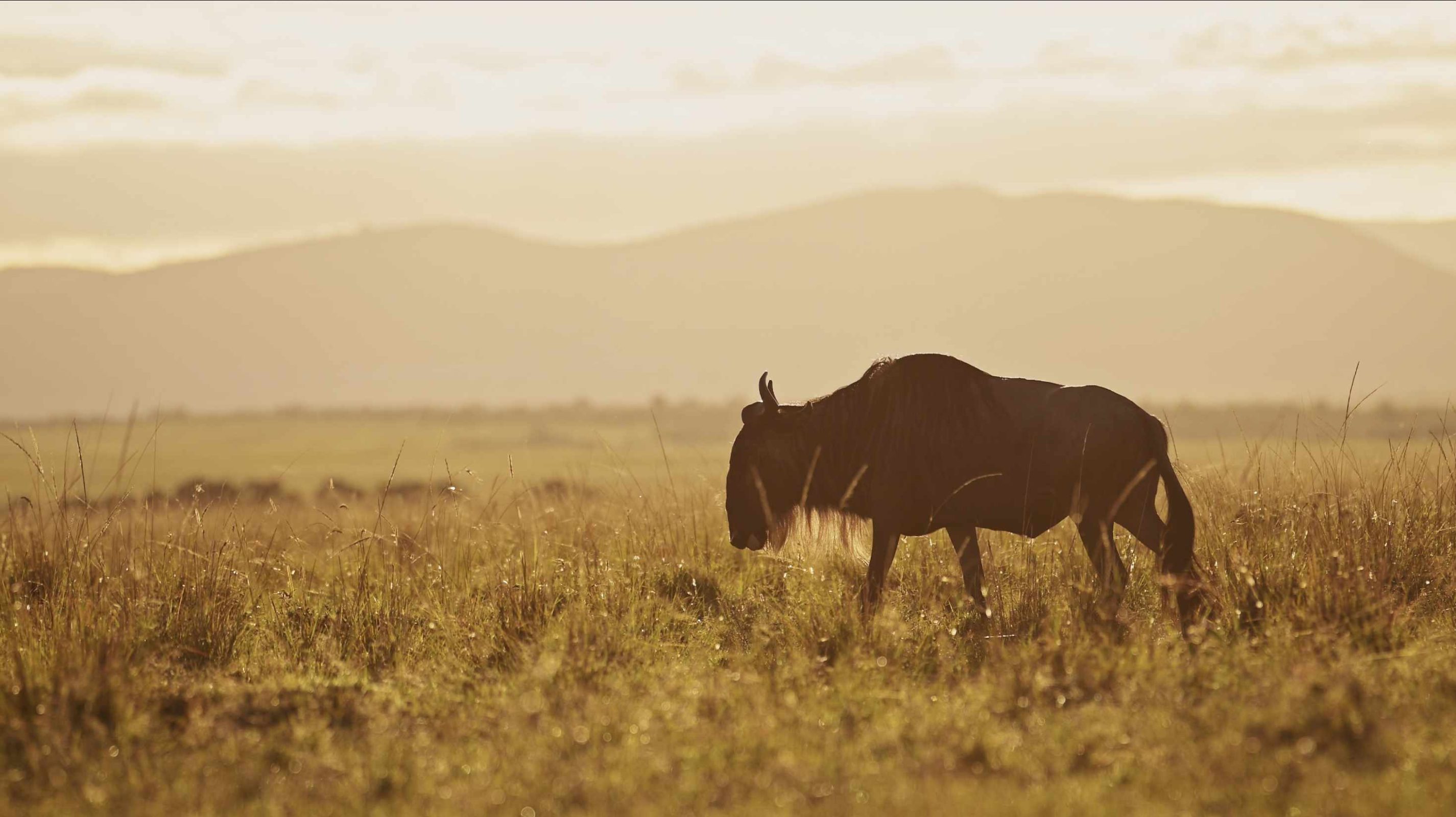
JUNE - OCTOBER
Dry Season (Peak)
Excellent mammal viewing. The lake shrinks, concentrating wildlife along the shore and river mouths.
Best for
Elephant, Buffalo, and Giraffe viewing, and spotting tree-climbing lions in the bare branches.
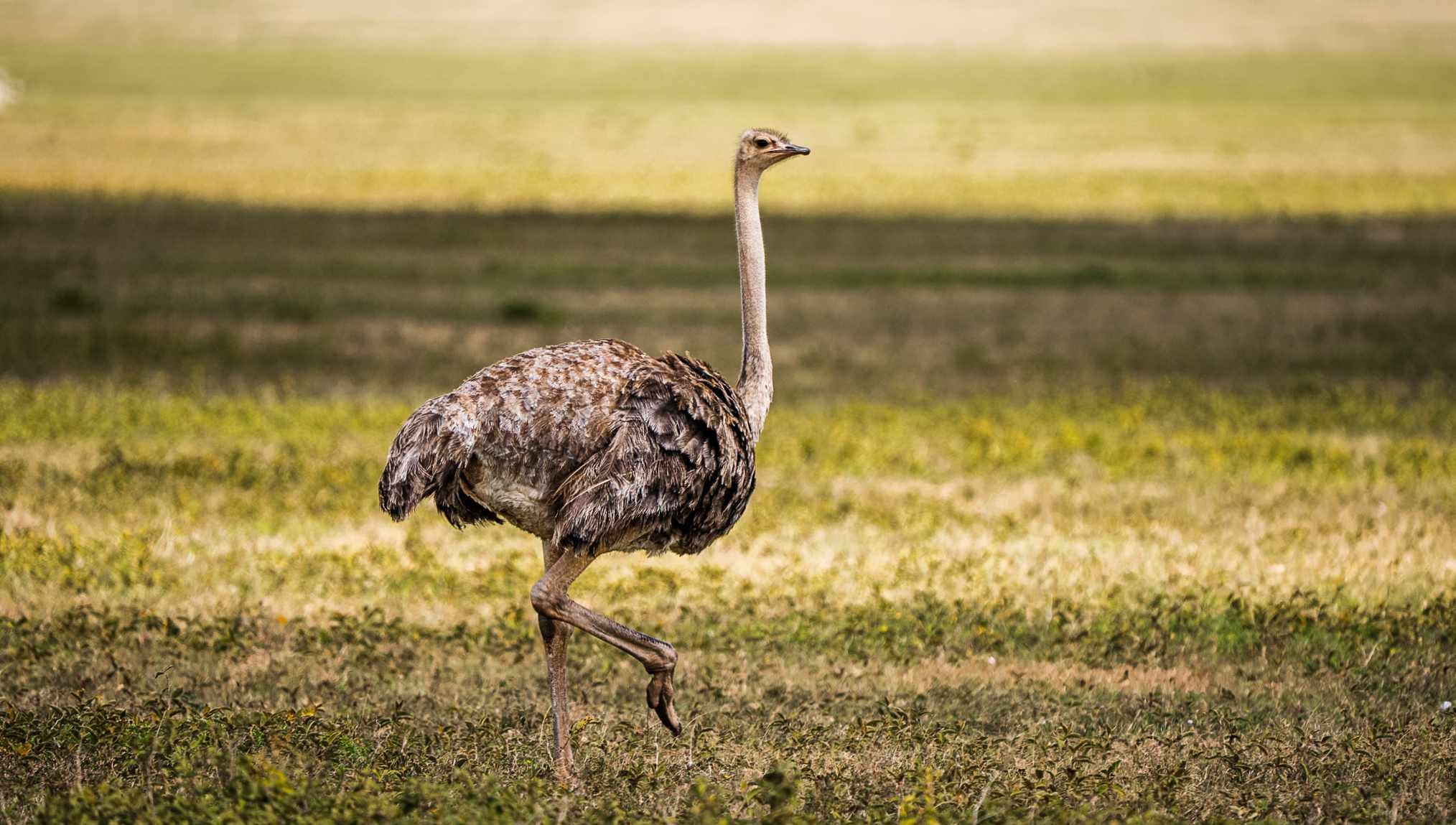
NOVEMBER - MAY
Green Season
The lake fills, attracting vast numbers of wading and migratory birds. The forest is vibrant and birdwatching is at its absolute peak.
Best for
Birdwatching, canoeing (seasonal), and capturing lush, vibrant landscape photographs.
Signature Manyara Wildlife
While smaller than its famous neighbors, Manyara offers a distinct checklist of wildlife, perfect for completing your viewing experience.
Tree-Climbing Lions
The park's star attraction. Seeing these large cats sprawled across a branch, enjoying the breeze, is an unforgettable sight.
Birds
A phenomenal birding destination with over species. Expect to see Flamingos, pelicans, cormorants, and colorful hornbills in the forest.
Baboons
Manyara is reputed to have one of the world's largest populations of baboons, often seen engaging in comical behavior at the park entrance.
Elephants
Large herds of elephants are consistently seen moving through the groundwater forests.
Other Mammals
Expect sightings of Buffalo, Giraffes, Hippos (in the shallow water), and various antelopes.
Signature Lake Manyara Wildlife
Tree-Climbing Lions
- The park’s star attraction. Seeing these large cats sprawled across a branch, enjoying the breeze, is an unforgettable sight.
Baboons
Manyara is reputed to have one of the world’s largest populations of baboons, often seen engaging in comical behavior at the park entrance.
Elephants
- Large herds of elephants are consistently seen moving through the groundwater forests.
Birds
A phenomenal birding destination with over species. Expect to see Flamingos, pelicans, cormorants, and colorful hornbills in the forest.
Elevate Your Trip
The park’s location offers unique ways to explore the environment that go beyond the typical game drive:
Treetop Walkway
Experience the forest canopy from above on an exciting suspended walkway (outside the park boundary but easily accessible), offering a unique perspective of the birdlife and monkeys.
Canoeing Safaris
When the lake water levels are high enough, you can take a guided canoe safari. This is an incredible, quiet way to get up close to the aquatic birdlife and see elephants grazing on the water’s edge (seasonal and water-level dependent).
Expert game drives
Your driver-guide will be specifically focused on finding the famous tree-climbing lions and navigating the quick changes between the forest and the open plains and along the beautiful great rift valley escarpment.
Starts your Adventure here!
Where to Stay: Your Manyara Home
Most lodging near Lake Manyara is perched high on the Rift Valley Escarpment, offering breathtaking, sweeping views over the lake and the park below.
Escarpment Lodges
These lodges offer spectacular, panoramic views, infinity pools, and fixed amenities. They are ideal for guests who prioritize scenic luxury and relaxation, as the elevation provides a cooler breeze and a "bird’s-eye" perspective of the pink flamingo colonies on the lake below.
Camps and Lodges near Mto wa Mbu
Located just outside the park gates, these options offer quick access to the park entrance and the vibrant cultural scene of the Mto wa Mbu village. Staying here allows for immersive "farm-to-table" dining experiences and easy walking tours to local markets and banana plantations.
Why Go to Lake Manyara?
Manyara is a stunning introduction to, or break from, the great plains safaris. It is a necessary stop if you want to complete your checklist with the unique tree-climbing lions or if you are a dedicated birdwatcher. Its compact size and incredible diversity offer phenomenal photographic opportunities in a single day.
The park offers a opportunity of scenic driving, from Serengeti or Ngorongoro, passing through local towns before descending into the Rift Valley, offering a dramatic entry into the park.
Starts your Lake Manyara adventure here!
Related Destinations
Ngorongoro Conservation Area
The world’s largest intact caldera and a natural enclosure for the Big Five.
Arusha National Park
The ‘Diamond in the Shadows, home to Mt. Meru and the rare black-and-white colobus monkey.
Tarangire National Park
The majestic kingdom of elephants and ancient giant baobab trees.