
Beyond the Horizon: A Morning Spent Chasing Light in the Serengeti
The Pre-Dawn Blue Hour
The Serengeti does not wake up all at once; it emerges in a slow, calculated reveal. Long before the sun touches the horizon, the air carries a sharp, metallic chill that settles deep into the valley folds of the Seronera and the southern plains. In this pre-dawn “blue hour,” the landscape is defined not by color, but by silhouette. The flat-topped Acacia tortilis trees stand like ink-blots against a charcoal sky, and the only sound is the rhythmic, low-frequency vibration of a distant lion’s grunt or the dry skittering of a jackal across the scrub. At this temperature, the dew sits heavy on the low-lying shrubs, and the world feels suspended in a quiet, prehistoric tension.
Ignition of the Plains
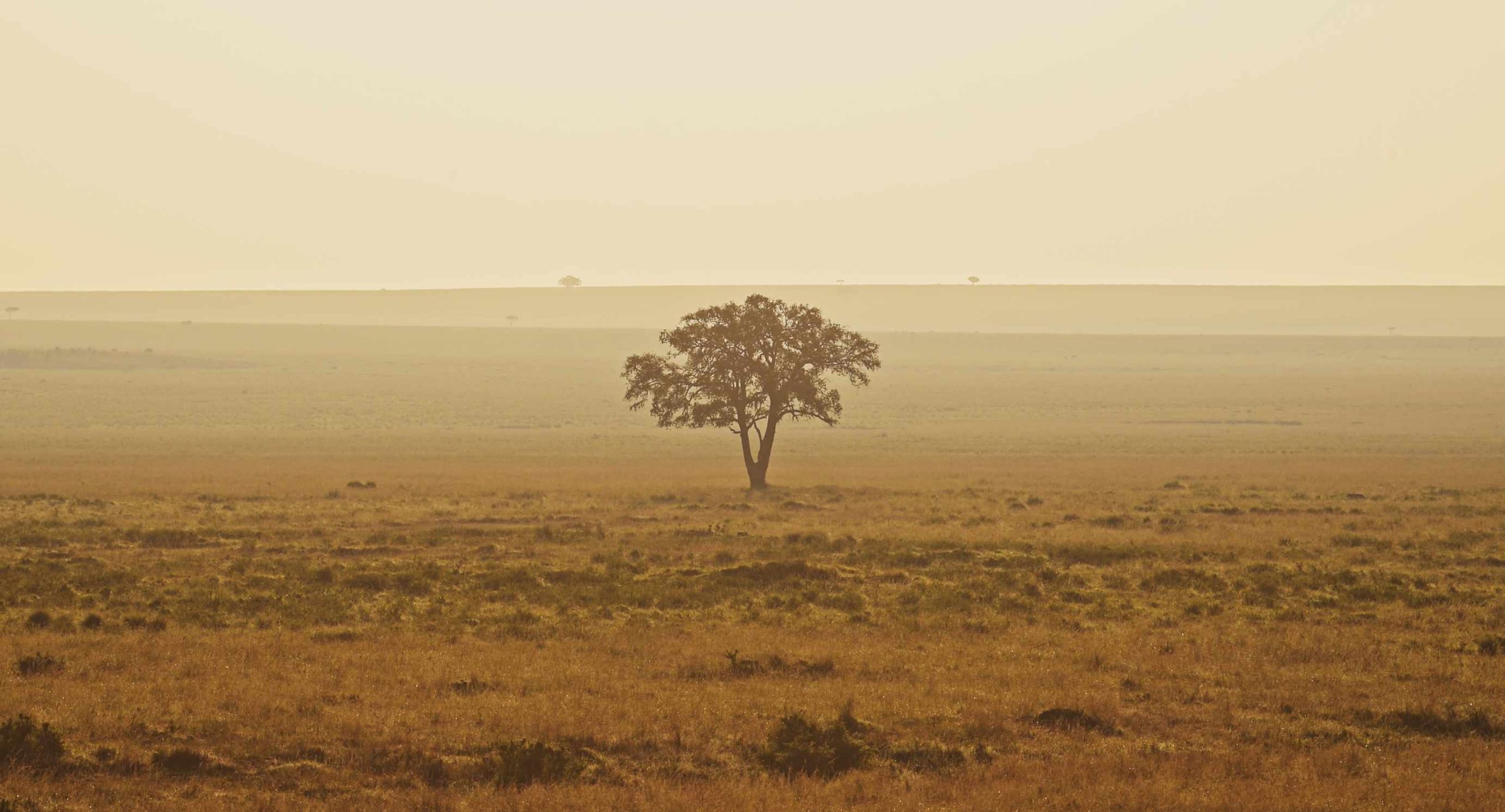
As the first sliver of light breaks, it doesn’t just illuminate the earth; it ignites it. The tall, drying oat grass—the lifeblood of the plains—transforms from a dull grey into a shimmering, liquid copper. This is the “Golden Hour,” but in the Serengeti, the light has a specific weight to it. It catches the fine dust kicked up by a thousand hooves of a moving wildebeest herd, creating vertical pillars of amber light that stretch toward the sky. To witness this is to understand the scale of an ecosystem that spans 14,000 square kilometers. The horizon seems to pull away as the light expands, revealing the true meaning of the Maasai word Siringet—the place where the land runs on forever.
Sentinels of the Savanna
By 8:00 AM, the temperature begins its steady climb, and the biological clock of the savanna shifts gears. The predators—lions, leopards, and the elusive cheetah—begin their transition from the active hunt to the sanctuary of the shadows. The hunt, often a desperate game of inches played out in the tall grass, gives way to a period of digestion and rest. A pride of lions might retreat to the summit of a granite kopje. These ancient rock formations, some billions of years old, rise like islands from a sea of grass. They are more than just viewpoints; they are complex micro-ecosystems. Between the cracks of the granite, colorful rock hyraxes sun themselves, and specialized vegetation—ferns and fig trees—clings to the stone, fed by the moisture trapped in the crevices.
The Intricate Details of Daylight
From these vantage points, the lions survey their kingdom with a stillness that matches the stone itself. Their tawny coats are a perfect evolutionary match for the sun-scorched granite, rendering them nearly invisible to the untrained eye. Below them, the savanna is a hive of activity that the casual observer might miss. Dung beetles begin their laborious work on the plains, and the lilac-breasted roller takes flight, its iridescent wings flashing like jewelry against the muted greens of the bush. The vultures begin to circle high above, utilizing the rising thermals created by the warming earth to scout the landscape for the remnants of the night’s activities.
The mid-morning sun also brings out the smaller, often overlooked details of the Serengeti. The whistling-thorn acacia trees hum as the wind passes through the galls inhabited by symbiotic ants. Giraffes move with a slow-motion elegance through these groves, their long tongues expertly navigating the thorns to reach the tender upper leaves. Every movement in the bush is calculated; every animal is playing its part in a grand, circular narrative of nutrient exchange and survival of the fittest.
A Place Without Clocks
“There is something about safari life that makes you forget all your sorrows and feel as if you had drunk half a bottle of champagne — bubbling over with heartfelt gratitude for being alive.” — Isak Dinesen
This post explores the intricate balance of the morning: the movement from the freezing stillness of the night to the vibrating, heat-shimmered reality of the afternoon. It is a study of how light defines geography, turning a vast, intimidating expanse into a series of intimate, breathtaking moments. In the Serengeti, time isn’t measured by minutes, but by the distance the sun travels across the sky and the length of the shadows on the grass.
“Everything in Africa bites, but the safari bug is the worst of all.” — Rian Manser
It is a place where the heartbeat of the wild is the only clock that matters, and where every sunrise offers a front-row seat to the very first day of the world.